Peggy Sheeran is not a celebrity in the traditional sense. She has never pursued fame, given high-profile interviews, or written memoirs about her life. Yet her name continues to spark curiosity around the world. Much of that interest comes from her connection to one of the most debated crime stories in American history and its cinematic retelling in the 2019 film The Irishman. As the daughter of Frank Sheeran, the former labor union official who claimed involvement in the disappearance of Jimmy Hoffa, Peggy’s life has been viewed through the lens of controversy, loyalty, and silence.
What makes Peggy Sheeran particularly compelling is not what she has said publicly, but what she has chosen not to say. In an age where even distant relatives of famous figures often step forward to share their version of events, Peggy has consistently maintained her privacy. This decision has shaped the public narrative around her, turning her into a symbol of moral distance and quiet judgment in both historical accounts and popular culture. Understanding Peggy Sheeran requires looking beyond headlines and film scenes to explore the deeper themes of family, legacy, and personal boundaries.
Early Life and Family Roots
Peggy Sheeran, whose full name is Margaret Regina Sheeran, was born into an Irish American family in the mid-twentieth century. She grew up during a time when labor unions were powerful forces in the United States, influencing politics, industry, and everyday working life. Her father, Frank Sheeran, began as a truck driver before rising through the ranks of the International Brotherhood of Teamsters, one of the most influential labor unions in the country.
Growing up in such an environment meant that Peggy was exposed to the pressures and complexities of her father’s career from a young age. The Sheeran household was not just an ordinary family home; it was closely connected to powerful figures and intense labor disputes. While children often remain shielded from adult conflicts, Peggy’s later reactions suggest that she was deeply aware of the moral weight surrounding her father’s professional life.
The historical context of her childhood is also important. Post-war America was a period of economic growth, political tension, and rising scrutiny of organized crime. As federal investigations into labor unions intensified, families like the Sheerans lived under increasing public and legal attention. This atmosphere undoubtedly shaped Peggy’s worldview and her later decision to step away from public engagement.
Frank Sheeran and the Shadow of Controversy
To understand Peggy Sheeran’s story, one must understand the shadow cast by her father, Frank Sheeran. He became widely known after the publication of the book I Heard You Paint Houses, in which he claimed responsibility for the disappearance of labor leader Jimmy Hoffa. These claims reignited decades-old debates about organized crime, union politics, and the truth behind Hoffa’s fate.
For Peggy, this controversy was not just a historical debate. It was deeply personal. The allegations surrounding her father were tied to real relationships, including Hoffa’s friendship with the Sheeran family. The emotional strain of such revelations can be difficult to measure, but accounts suggest that Peggy’s relationship with her father changed dramatically as these events unfolded.
The idea of loyalty is central to this chapter of her life. While Frank Sheeran portrayed himself as a loyal soldier to powerful figures, Peggy’s response appeared to reflect a different kind of loyalty—one rooted in moral conviction. Her alleged estrangement from her father following Hoffa’s disappearance has become a defining part of her narrative, symbolizing the painful cost of choices made in pursuit of power and allegiance.
Peggy Sheeran in The Irishman
Public awareness of Peggy Sheeran expanded significantly after the release of The Irishman, directed by Martin Scorsese and distributed by Netflix. The film starred Robert De Niro as Frank Sheeran and brought renewed global attention to the Hoffa disappearance and the world of organized crime in mid-century America.
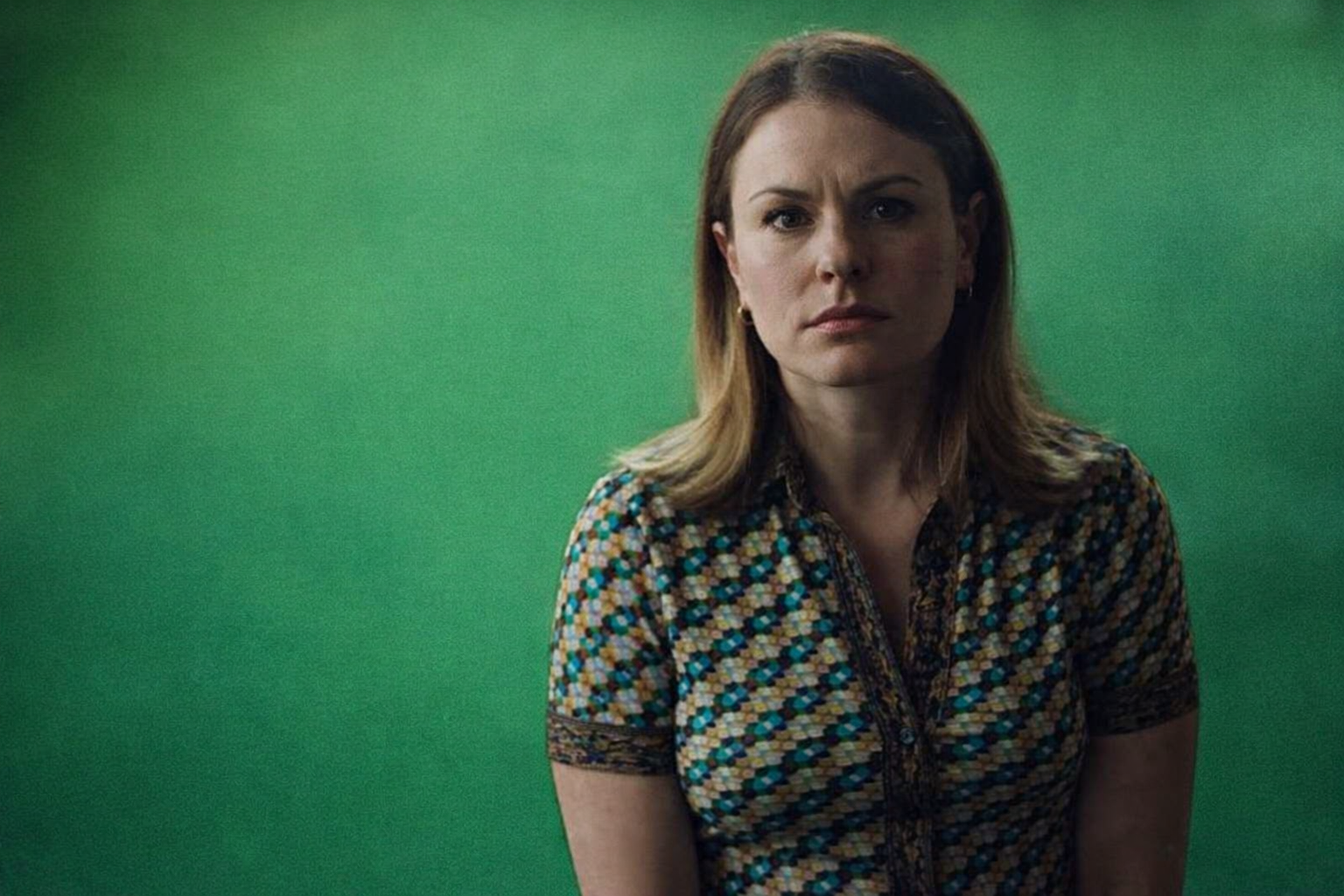
In the film, Peggy is portrayed first as a child and later as an adult, with her adult role played by Anna Paquin. One of the most discussed aspects of her portrayal is her near silence. Despite appearing in several key scenes, she speaks very few words. This creative decision sparked debate among critics and audiences alike, but many viewers interpreted her silence as deeply meaningful.
Rather than serving as a background character, Peggy functions as a moral mirror. Through her watchful gaze and restrained presence, she represents the emotional consequences of her father’s actions. Her silence communicates disappointment, distance, and a quiet refusal to accept the world he inhabited. In this way, the film elevated Peggy Sheeran from a historical footnote to a powerful symbol within the narrative.
The Emotional Distance Between Father and Daughter
The relationship between Peggy and Frank Sheeran is often described as distant, especially in the later years of his life. According to various accounts, Peggy stopped speaking to her father after the disappearance of Jimmy Hoffa. If accurate, this decision highlights the deep personal impact of the events surrounding Hoffa’s case.
Family estrangement is rarely simple. It often stems from a complex mix of disappointment, ethical disagreement, and emotional pain. In Peggy’s case, the alleged break in communication reflects more than just anger. It suggests a moral boundary that she was unwilling to cross. By distancing herself, she may have been asserting her own identity separate from her father’s controversial legacy.
This emotional distance became especially poignant in Frank Sheeran’s final years. As he aged and faced declining health, reports indicate that he attempted to reconcile with his daughters. Peggy’s continued silence, if true, underscored the lasting consequences of earlier decisions. It also reinforced her image as someone who prioritized principle over familial obligation.
Life Beyond the Headlines
Unlike many individuals connected to high-profile cases, Peggy Sheeran did not pursue media attention. She did not write a book, appear in documentaries, or publicly challenge the narrative presented by her father. Instead, she reportedly lived a relatively ordinary life, working professionally and maintaining a low public profile.
This choice is significant in today’s media landscape. The rise of true crime documentaries and online speculation has turned many private individuals into public figures against their will. Peggy’s refusal to engage with this attention stands out as an act of personal autonomy. She chose not to let her identity be defined solely by her father’s story.
Her privacy has also contributed to the mystery surrounding her. Questions about her current life, whereabouts, and personal views continue to circulate online. Yet the lack of confirmed information reinforces the boundaries she appears to have set. In doing so, Peggy Sheeran becomes an example of how one can remain connected to history without surrendering personal space.
Cultural Conversations About Silence and Representation
The portrayal of Peggy Sheeran in The Irishman sparked broader cultural discussions about silence, gender roles, and storytelling. Some critics questioned why her character had so few lines, while others argued that her silence was intentional and powerful. The debate highlighted how silence can be interpreted in different ways depending on context.
In Peggy’s case, silence serves as both resistance and commentary. Within the film, her lack of dialogue draws attention to what is left unsaid. It forces viewers to confront the emotional consequences of violence and secrecy. In real life, her silence has functioned as a shield, protecting her from the intense scrutiny surrounding her father’s claims.
These cultural conversations extend beyond a single film. They touch on how women connected to powerful men are often portrayed and how their voices are either amplified or minimized. Peggy Sheeran’s story invites reflection on how narrative choices shape public perception and how silence can carry its own authority.
Public Curiosity and the Search for Answers
Interest in Peggy Sheeran continues years after the release of The Irishman. Online searches related to her life, her relationship with Frank Sheeran, and her current status remain common. This curiosity reflects a broader fascination with the human side of historical crime stories.
However, separating verified facts from speculation is essential. Much of what is known about Peggy comes indirectly through her father’s account or cinematic interpretation. Without direct statements from her, it is important to approach claims with caution and respect for her privacy.
The enduring interest in Peggy Sheeran highlights how audiences seek emotional anchors in complex stories. While figures like Frank Sheeran and Jimmy Hoffa dominate headlines, Peggy represents the quieter, more personal consequences of those events. Her story reminds us that behind every public scandal are private lives shaped in lasting ways.
Read More ; Katie Zacharia Wikipedia: Biography, Career, DHS Role & Personal Life
Legacy and Final Thoughts
Peggy Sheeran’s legacy is not built on public speeches, political power, or cinematic fame. Instead, it rests on her quiet presence within a story that continues to captivate audiences. Through her alleged estrangement from her father and her refusal to step into the spotlight, she has come to symbolize moral clarity and personal boundaries.
Her story challenges the assumption that proximity to notoriety must lead to public participation. By choosing privacy, Peggy asserted control over her narrative in a subtle but powerful way. In both historical accounts and popular culture, her silence has spoken volumes.
In the end, Peggy Sheeran stands as a reminder that history is not only shaped by those who act loudly and publicly. It is also shaped by those who observe, reflect, and sometimes choose to step away. Her life, though largely private, continues to resonate because it touches on universal themes of family, loyalty, conscience, and the enduring impact of personal choices.