Digital privacy is no longer a niche concern reserved for cybersecurity experts. It has become a daily consideration for journalists, businesses, students, freelancers, and everyday internet users who understand that their files, messages, and personal documents are constantly at risk of exposure. From data breaches to surveillance and tracking, traditional cloud storage services often prioritize convenience over true privacy. This growing awareness has led many people to search for secure alternatives that protect their data without collecting their identity. One name that has been steadily gaining attention in privacy-focused discussions is Anon Vault.
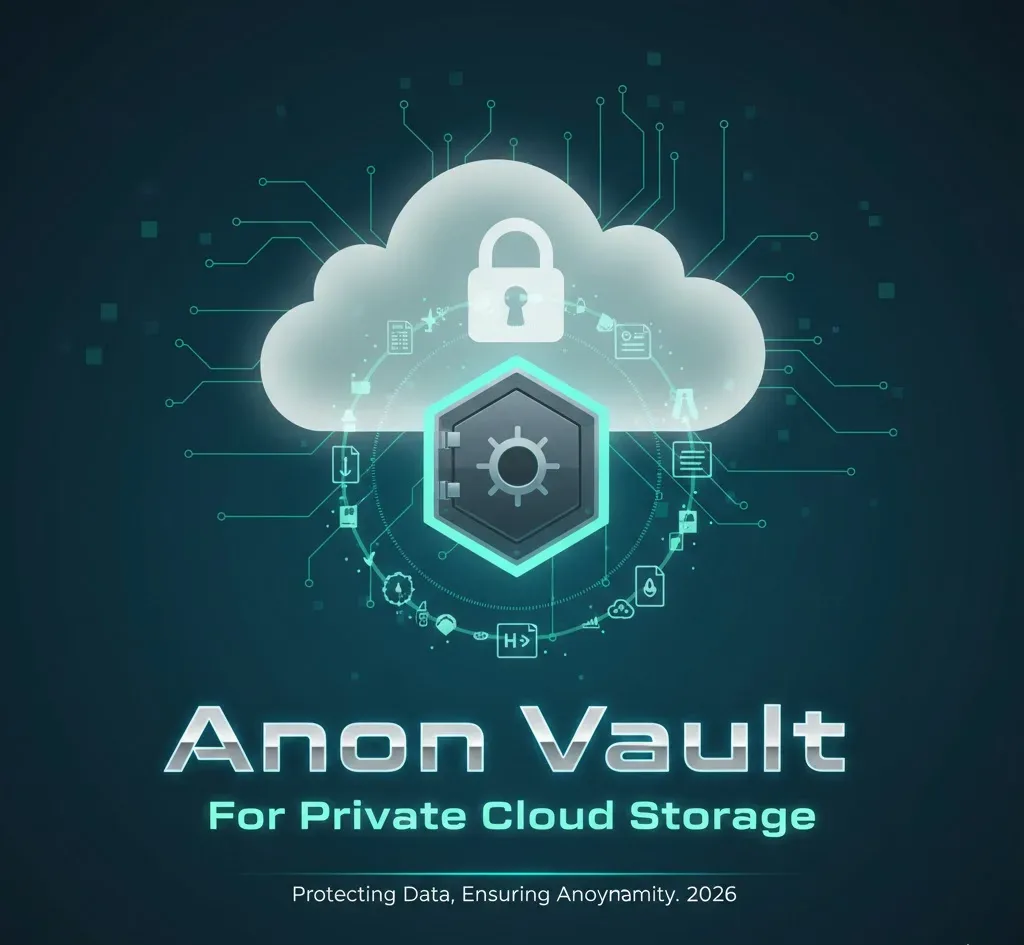
Anon Vault is often described as an anonymous file storage and encrypted sharing platform built around privacy-first principles. Instead of asking for email addresses, personal information, or detailed user profiles, it focuses on allowing people to store and share files without leaving a traceable digital footprint. By combining zero-knowledge encryption, decentralized storage concepts, and secure access methods, Anon Vault represents a shift away from mainstream cloud storage toward something more private, more secure, and more user-controlled.
As concerns about digital surveillance and data misuse continue to grow worldwide, tools like Anon Vault are becoming increasingly relevant. Whether someone wants to protect sensitive documents, confidential work files, or personal data, the appeal lies in the ability to do so without trusting a company with personal identity details. Understanding how Anon Vault works, why it matters, and who it benefits helps reveal why it is being discussed as a modern solution for secure and anonymous digital storage.
What Is Anon Vault and How It Differs from Traditional Cloud Storage
Anon Vault can be understood as a privacy-centric cloud storage solution designed for anonymous file hosting and secure file sharing. Unlike popular platforms that require user accounts linked to emails and personal details, Anon Vault operates on an access-key model where users interact with the system without creating identifiable profiles. This fundamental difference is what sets it apart from conventional services like Google Drive, Dropbox, or OneDrive, which often log user activity and metadata.
Traditional cloud storage platforms usually store not only files but also detailed information about who uploaded them, when they were accessed, and from which device or location. This metadata can be valuable for companies, advertisers, or even legal authorities. Anon Vault, on the other hand, is built to minimize or eliminate metadata collection, ensuring that stored files cannot easily be traced back to a specific person. This approach appeals strongly to users who want complete control over their digital footprint.
Another key difference lies in how trust is handled. With mainstream cloud services, users must trust the provider to protect their data and respect their privacy policies. Anon Vault reduces the need for trust by relying heavily on encryption and decentralized storage ideas, meaning that even the platform itself cannot read user data. This creates a “trustless” environment where security depends on mathematics and cryptography rather than corporate promises.
The Privacy Philosophy Behind Anon Vault
The foundation of Anon Vault rests on a strong philosophy of privacy by design. Instead of adding privacy features as optional extras, the entire system is built around the idea that users should remain anonymous and in full control of their data. This mindset aligns with the broader movement toward digital sovereignty, where individuals seek to reclaim ownership over their personal information in the online world.
Central to this philosophy is the concept of zero-knowledge encryption. In simple terms, zero-knowledge means the service provider does not know what you are storing. Files are encrypted before they leave your device, and only someone with the correct decryption key can read them. This ensures that even if servers are accessed, the stored data remains unreadable and useless to outsiders.
By avoiding user profiles, tracking systems, and personal identifiers, Anon Vault attempts to remove the common vulnerabilities that come with identity-based services. There is no account to hack, no password reset through email, and no personal database linking files to individuals. This privacy-first mindset is what attracts users who are deeply concerned about surveillance, data mining, and online tracking.
How Anon Vault Secures Files with End-to-End Encryption
Security in Anon Vault begins at the user’s device. When a file is uploaded, it is encrypted locally using strong encryption algorithms before being transmitted. This process is known as end-to-end encryption, and it ensures that the file is protected throughout its entire journey from upload to storage to sharing. Because encryption happens before transmission, no one intercepting the data stream can understand the contents.
The encryption keys are generated in a way that only the user or intended recipient can access them. These keys are not stored on central servers in readable form, which eliminates a common vulnerability seen in many online services. Even if someone gains access to the storage infrastructure, they would only see scrambled, unreadable data.
This method of encryption is widely regarded as one of the most secure ways to protect digital files. It is the same principle used in secure messaging apps and high-security data systems. By applying this model to file storage and sharing, Anon Vault provides a level of security that goes far beyond basic password protection offered by standard cloud platforms.
The Role of Decentralized Storage in Anon Vault
Another important aspect of Anon Vault is its use of decentralized storage concepts. Instead of storing files on a single server in one location, encrypted data can be fragmented and distributed across multiple nodes. This reduces the risk associated with centralized servers, which are common targets for hackers and cyberattacks.
When data is distributed in fragments, no single location holds the complete file. Even if one node is compromised, it would be impossible to reconstruct the original file without all fragments and the correct decryption keys. This adds another layer of protection beyond encryption alone.
Decentralization also improves reliability. In traditional systems, a server outage can make files temporarily inaccessible. With distributed storage, the system can continue functioning even if some nodes go offline. This approach combines security and availability, making Anon Vault both resilient and secure.
Anonymous Access and the Absence of User Accounts
One of the most unique aspects of Anon Vault is the way users access the system. Instead of creating accounts with usernames and passwords, users receive encrypted links or access keys that serve as their credentials. This eliminates the need to provide personal information and removes the risk of identity association.
Because there are no accounts, there is no central database of users. This significantly reduces the chances of data leaks involving user identities. It also prevents common attacks such as credential stuffing, phishing for passwords, or account takeovers, since there are no traditional accounts to exploit.
This anonymous access model is particularly appealing to users who want to keep their online activities separate from their real-world identity. It allows people to store and share files securely without worrying about leaving a trail that can be traced back to them.
Secure File Sharing and Self-Destructing Links
Anon Vault is not only about storing files but also about sharing them safely. Users can generate secure, encrypted links that allow others to access specific files without revealing identities. These links often include options for time limits or download limits, ensuring that files do not remain accessible forever.
The concept of self-destructing links adds another layer of control. After a certain period or number of downloads, the link becomes invalid, and the file is no longer accessible. This is especially useful for sensitive documents that should only be viewed temporarily.
This controlled sharing mechanism helps prevent the uncontrolled distribution of private files. Even if a link is forwarded, its limited lifespan ensures that access remains restricted. This feature is highly valued in situations where confidentiality is critical.
Who Can Benefit Most from Using Anon Vault
Anon Vault is particularly useful for journalists, researchers, and whistleblowers who need to share sensitive information without exposing themselves or their sources. In regions where surveillance is common, anonymous file sharing can be a crucial tool for safety and freedom of expression.
Businesses and professionals handling confidential contracts, legal documents, or intellectual property can also benefit. The combination of encryption, anonymity, and controlled access makes it ideal for protecting corporate data from leaks and cyber threats.
Even everyday users concerned about personal privacy can use Anon Vault to store identity documents, private photos, or important files without worrying about data harvesting. As awareness of digital privacy grows, more people are looking for tools that offer this level of protection.
Limitations and Responsibilities of Using Anon Vault
While Anon Vault offers strong privacy protections, it also requires users to be responsible. Since there are no traditional accounts or recovery systems, losing the access key can mean losing access to files permanently. Users must carefully store their credentials in a safe place.
The lack of user identification can also make customer support challenging. Without an account to verify, it becomes difficult for support teams to assist with access issues. This trade-off is part of the privacy-first model and something users must understand before using the service.
Additionally, anonymous platforms can be misused. Responsible use is essential, and users must ensure they comply with legal and ethical guidelines when sharing or storing files. Privacy tools are designed to protect users, not to enable unlawful activities.
The Future of Privacy Tools and Anon Vault’s Growing Relevance
As data privacy laws become stricter and people become more aware of how their information is used online, privacy-centric tools are likely to grow in popularity. Anon Vault fits into a broader trend toward decentralized technologies, encrypted communication, and user-controlled data.
Emerging technologies such as blockchain, decentralized identity, and Web3 services may further strengthen the type of privacy model that Anon Vault represents. These developments point toward a future where users interact online without constantly revealing personal details.
In this evolving landscape, Anon Vault represents more than just a storage solution. It symbolizes a shift in how people think about data ownership, security, and anonymity in the digital world.
Read More ; Ahed Tamimi Biography: Palestinian Activist, Nabi Saleh Protests, and Global Controversy
Conclusion
Anon Vault stands as a powerful example of how cloud storage can be redesigned around privacy rather than convenience. By removing user accounts, implementing zero-knowledge encryption, and embracing decentralized storage ideas, it offers a secure and anonymous way to store and share files. For individuals and organizations that value confidentiality, this approach provides peace of mind in a world where digital threats are increasingly common.
While it requires users to take responsibility for their access keys and understand its limitations, the benefits of anonymity, security, and control are significant. As digital privacy becomes a central concern for more people, solutions like Anon Vault are likely to become an essential part of how sensitive data is handled online.