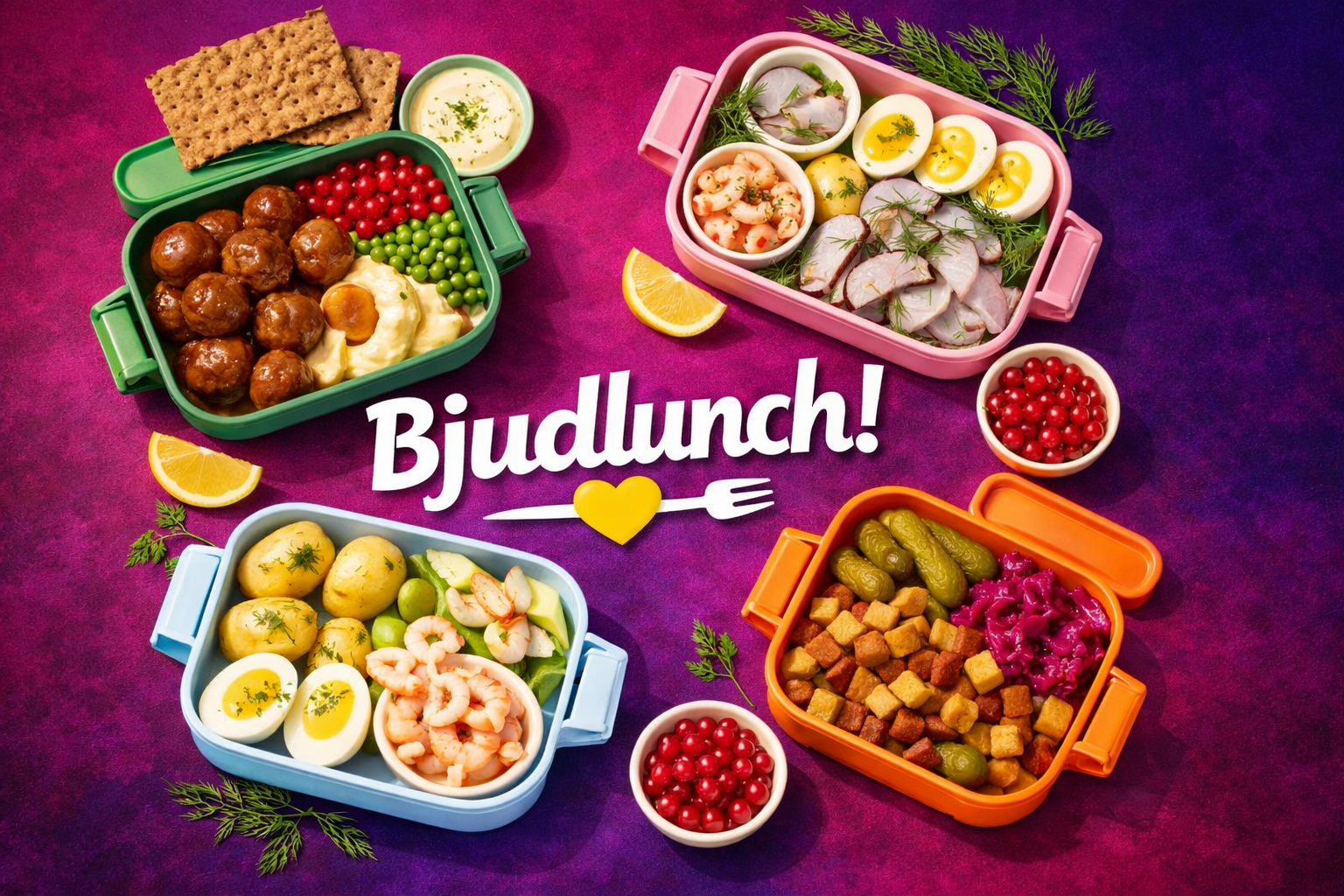
Bjudlunch is a Swedish word that carries more meaning than it may seem at first glance. At its core, it refers to inviting someone to lunch and paying for the meal as a gesture of goodwill. However, in Swedish culture, this simple act goes beyond food. It represents appreciation, relationship building, trust, and social harmony. Whether used in a personal setting or a professional environment, bjudlunch reflects values that are deeply rooted in Scandinavian society.
In recent years, interest in Nordic traditions and workplace culture has grown globally. As a result, terms like bjudlunch are being searched more frequently by people curious about Swedish customs, business etiquette, and social practices. Understanding the meaning of bjudlunch offers insight into how Swedes build strong personal and professional relationships through small yet meaningful gestures.
What Does Bjudlunch Really Mean?
The word bjudlunch comes from two Swedish terms: “bjuda,” meaning to invite or treat, and “lunch,” referring to the midday meal. Combined, the term literally translates to “treating someone to lunch.” Unlike simply meeting someone for lunch and splitting the bill, a bjudlunch clearly implies that one person takes full responsibility for the invitation and payment. This distinction is important in Swedish social etiquette.
More than just covering the cost of a meal, bjudlunch signals intention. It shows appreciation, gratitude, or a desire to strengthen a connection. The invitation is purposeful and thoughtful. In Sweden, where equality and modesty are highly valued, this gesture is not about showing wealth or status. Instead, it is about generosity expressed in a balanced and respectful way.
Cultural Roots of Bjudlunch in Sweden
Swedish culture places strong emphasis on moderation, sincerity, and social balance. These principles are often reflected in daily interactions, including how people share meals. Bjudlunch fits naturally into this framework because it represents kindness without excess. It is not meant to impress but to connect.
Food plays an important role in Swedish society as a social bridge. While fika, the well-known Swedish coffee break, encourages casual conversation, lunch invitations tend to allow for longer and deeper discussions. Historically, shared meals have provided space for collaboration and bonding. Bjudlunch continues this tradition in a modern form, preserving the idea that relationships grow stronger when people sit down and talk face to face.
Bjudlunch in Professional and Business Settings
In Swedish workplaces, bjudlunch is commonly used as a relationship-building tool. Managers may invite team members to lunch to discuss projects, offer feedback, or celebrate achievements. Business partners may arrange a bjudlunch to strengthen collaboration in a relaxed environment. The informal setting encourages open communication and mutual respect.
Sweden’s work culture values flat hierarchies and transparency. A lunch invitation helps reduce formal barriers that might exist in office spaces. When colleagues meet over a meal, conversations often flow more naturally. This makes bjudlunch an effective strategy for networking, negotiation, and team development. It also demonstrates appreciation, which contributes to positive workplace morale.
Social Importance of Inviting Someone to Bjudlunch
Beyond business, bjudlunch plays an important role in personal relationships. Friends may invite each other to lunch as a way of saying thank you or celebrating small milestones. Family members may use it as an opportunity to reconnect. The act itself carries emotional significance because it reflects thoughtfulness.
In Swedish society, generosity is often expressed quietly. There is no expectation of public recognition or grand gestures. A simple lunch invitation can communicate warmth and care. The person being invited typically accepts with gratitude, understanding that the offer comes from a place of goodwill rather than obligation.
Etiquette and Expectations Around Bjudlunch
There are subtle social norms connected to bjudlunch. The person who extends the invitation is expected to handle arrangements, including choosing the venue and paying the bill. Payment is usually done discreetly to avoid discomfort. Swedish etiquette favors smooth, low-key interactions rather than dramatic displays.
At the same time, guests are expected to show appreciation. This may be through sincere thanks or by reciprocating at another time. While the host pays on that occasion, balance over time is valued. Reciprocity does not need to be immediate, but mutual generosity strengthens the relationship and keeps it equal.
How Bjudlunch Reflects Swedish Values
Bjudlunch reflects core Swedish values such as equality, lagom, and community spirit. Lagom, a well-known Swedish concept, means “just the right amount.” A bjudlunch embodies this philosophy because it is generous without being excessive. It strikes a balance between kindness and modesty.
The tradition also highlights Sweden’s emphasis on building trust through conversation. Sitting down for a meal creates a calm environment where people can speak openly. In a culture that values thoughtful dialogue over confrontation, this setting becomes especially meaningful. Bjudlunch supports long-term relationship building rather than short-term gains.
Modern Relevance in a Digital World
As digital communication becomes more dominant, face-to-face interactions have become increasingly valuable. Bjudlunch offers an opportunity to step away from emails and virtual meetings. Sharing a physical space and a meal encourages deeper connection and understanding.
International businesses and professionals are beginning to recognize the benefits of this approach. While the term bjudlunch is Swedish, the concept of inviting someone to lunch as a gesture of appreciation is universal. The growing global interest in Scandinavian workplace culture has brought more attention to practices that prioritize trust and well-being.
Why Bjudlunch Matters Today
In a fast-paced world where networking often feels transactional, bjudlunch stands out as a more human-centered practice. It reminds people that relationships require time and genuine interaction. A meal shared with intention can open doors that formal meetings sometimes cannot.
Whether in Sweden or elsewhere, the idea behind bjudlunch encourages kindness, gratitude, and meaningful communication. It shows that simple acts can have lasting impact. The power of sitting down together, sharing food, and expressing appreciation remains relevant across cultures and generations.
Read More ; Self Cleaning Street Lamp Research: Do Dust Resistant Lamp Projects Exist?
Conclusion
Bjudlunch is more than a Swedish word for treating someone to lunch. It is a cultural expression of generosity, respect, and relationship building. Rooted in Swedish values of balance and sincerity, it plays an important role in both social and professional life. From workplace meetings to friendly gatherings, the tradition strengthens connections through thoughtful hospitality.
As global interest in Scandinavian culture continues to grow, understanding concepts like bjudlunch offers valuable insight into how small gestures can create meaningful bonds. In the end, it is not about the meal itself but about the intention behind it. A simple lunch invitation, offered with sincerity, has the power to build trust, deepen relationships, and leave a lasting positive impression.