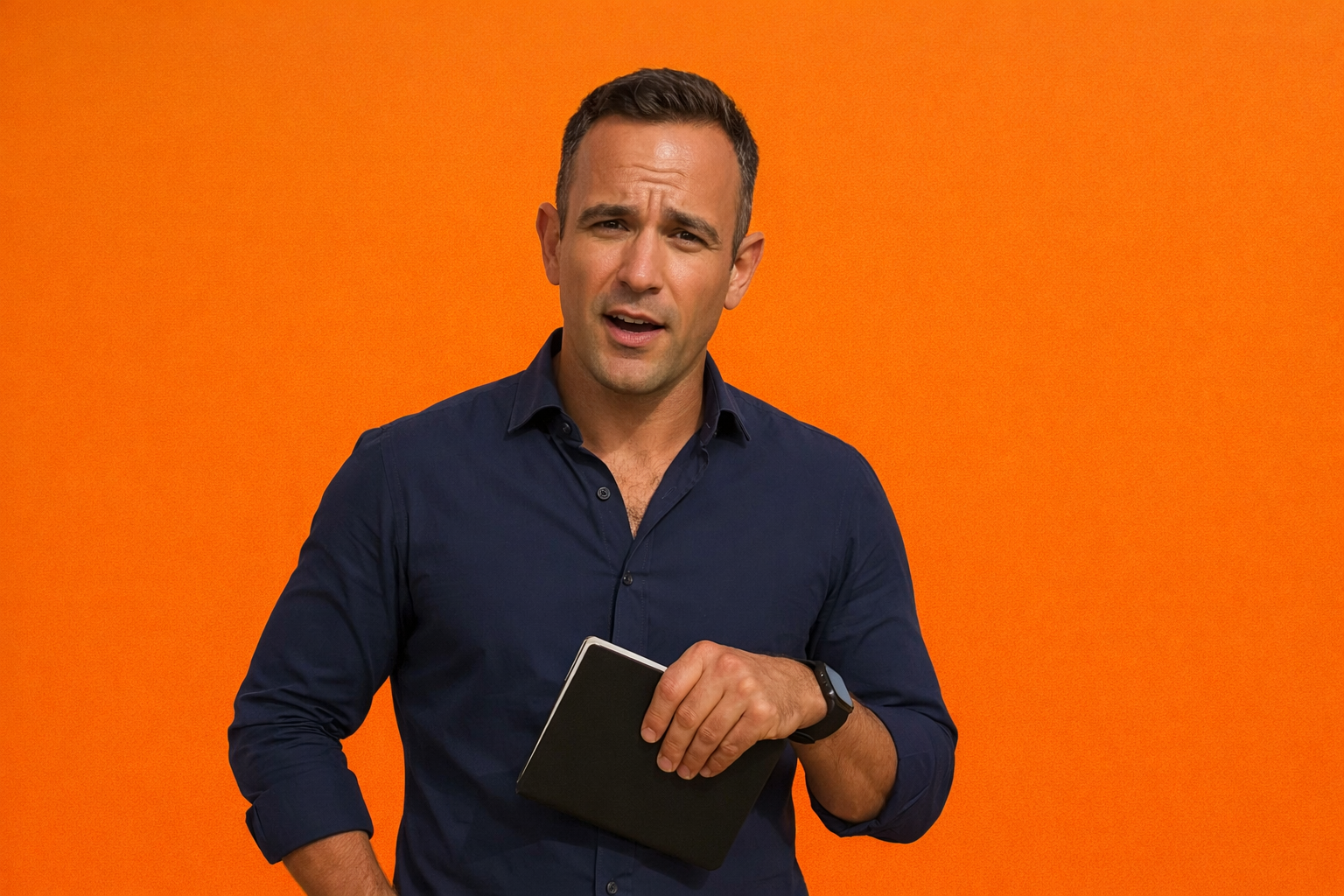
Hugo Bachega is widely recognized as one of the most dedicated international journalists working today, known for his calm presence and precise reporting from some of the world’s most complex and dangerous regions. As a correspondent for BBC News, he has become a trusted voice for audiences seeking clarity on global conflicts, political upheaval, and humanitarian crises. His reporting style is measured yet deeply human, offering not just facts but context and empathy in moments where both are urgently needed.
Over the years, interest in the Hugo Bachega biography has grown steadily, driven by his frequent appearances in frontline reporting and his ability to explain global events with accuracy and restraint. While he maintains a notably private personal life, his professional journey reflects commitment, courage, and a strong sense of journalistic responsibility. This article explores Hugo Bachega’s background, career development, and lasting impact as an international correspondent, presenting a clear and authentic portrait of a journalist shaped by the world he reports on.
Early Life and Background
Hugo Bachega was born in Brazil, a country known for its cultural diversity, political complexity, and vibrant media landscape. Growing up in such an environment played an important role in shaping his worldview and curiosity about global affairs. Brazil’s mix of social contrasts, political debates, and international connections likely influenced his early awareness of how local events can carry global significance.
Although specific details about his childhood and family life are not publicly documented, it is clear that his upbringing provided him with cultural flexibility and linguistic strength. Portuguese is his native language, and this early exposure to multiple cultural perspectives helped lay the foundation for his later work as a global journalist. His background allowed him to understand the importance of context, nuance, and sensitivity when telling stories that cross borders.
From an early stage, Hugo Bachega appeared drawn to understanding how societies function under pressure, a theme that would later dominate his professional life. This curiosity, combined with discipline and adaptability, became central traits that defined his approach to journalism.
Education and Path Toward Journalism
While Hugo Bachega has not publicly shared extensive details about his academic background, his career reflects a strong foundation in journalism and international affairs. His reporting demonstrates analytical depth, ethical awareness, and strong communication skills, all of which point to formal education aligned with media, politics, or global studies. These skills are especially evident in his ability to explain complicated conflicts in a way that remains accessible to general audiences.
During his formative years, Bachega developed a strong interest in current affairs and storytelling. Brazil’s active news environment and exposure to global media likely played a role in shaping his ambition to work in international journalism. Rather than focusing solely on domestic issues, he showed an early inclination toward understanding how international power dynamics and conflicts affect everyday lives.
This educational and intellectual foundation prepared him for the demanding nature of foreign correspondence. It equipped him with the ability to research thoroughly, think critically, and remain composed under pressure, qualities that later became defining features of his professional identity.
Early Career and Reuters Experience
Hugo Bachega began his professional journalism career with Reuters, one of the most respected global news agencies. Starting as an intern in São Paulo, he gained firsthand experience in fast-paced newsrooms where accuracy and speed are equally critical. This early exposure helped him develop strong reporting habits, including rigorous fact-checking and clear, concise writing.
Working at Reuters allowed Bachega to cover a range of stories that deepened his understanding of political reporting and economic developments. The agency’s global standards emphasized neutrality and precision, shaping his approach to journalism early on. These values would later remain central to his work as an international correspondent.
His time at Reuters also marked the beginning of his transition from local reporting to a broader international focus. It was during this phase that he demonstrated the ability to handle sensitive topics responsibly, earning trust within professional circles and paving the way for his move to a larger global platform.
Joining BBC News and Career Growth
Hugo Bachega’s move to BBC News marked a significant turning point in his career. Joining one of the world’s most influential public broadcasters expanded both his reach and responsibilities. At the BBC, he transitioned into roles that required not only reporting skills but also editorial judgment and cultural awareness on a global scale.
As a BBC correspondent, Bachega began covering major international stories, often from regions experiencing political instability or conflict. His reports stood out for their clarity and calm delivery, even when broadcast from volatile environments. Audiences came to recognize his composed presence as a signal of reliable, balanced reporting.
Over time, he built a reputation as a journalist who could be trusted with complex assignments. His ability to explain evolving situations without sensationalism strengthened his credibility and helped establish him as a key figure in the BBC’s international reporting team.
Reporting From Conflict Zones
One of the most defining aspects of Hugo Bachega’s career is his work in conflict zones. He has reported from areas affected by war, political unrest, and humanitarian emergencies, often placing himself close to unfolding events to provide accurate, firsthand information. His coverage of the Russia-Ukraine war brought him particular recognition, as he delivered live reports from dangerous locations under intense pressure.
Reporting from conflict zones demands more than technical skill. It requires emotional resilience, ethical judgment, and an ability to balance urgency with accuracy. Bachega consistently demonstrated these qualities, offering viewers insight into both military developments and civilian experiences. His focus on human impact helped audiences understand the real consequences of conflict beyond headlines.
These assignments reinforced his reputation as a journalist willing to face personal risk in pursuit of truth. They also highlighted the essential role of independent international reporting in keeping global audiences informed during times of crisis.
Middle East Coverage and Regional Expertise
Hugo Bachega’s role as a Middle East correspondent further solidified his standing in international journalism. The region’s political complexity, historical tensions, and ongoing conflicts require deep contextual understanding, and Bachega approached this responsibility with care and precision. His reporting often balanced immediate developments with long-term analysis, helping viewers grasp the broader significance of events.
Covering the Middle East involves navigating sensitive cultural, religious, and political landscapes. Bachega’s ability to do so respectfully and accurately reflects his experience and preparation. His reports frequently highlighted the voices of ordinary people, offering perspectives that are often overlooked in high-level political coverage.
Through this work, he contributed to a more nuanced understanding of the region. His reporting avoided oversimplification, instead emphasizing the layered realities that define Middle Eastern affairs, which further strengthened his credibility as a global correspondent.
Reporting Style and Professional Reputation
Hugo Bachega’s reporting style is characterized by restraint, clarity, and empathy. He avoids dramatic language, allowing facts and firsthand observations to speak for themselves. This approach has earned him respect among colleagues and trust from audiences who value balanced journalism.
His calm demeanor during live broadcasts, especially in high-risk situations, has become one of his defining traits. Viewers often note his ability to maintain focus and professionalism even amid uncertainty, reinforcing his reputation as a reliable source of information. This consistency has made him a recognizable and respected figure in international news coverage.
Within the journalism community, Bachega is regarded as a correspondent who prioritizes integrity over visibility. Rather than seeking personal attention, he remains focused on delivering accurate reporting, a quality that aligns closely with the core values of public service journalism.
Personal Life and Privacy
Despite his public role, Hugo Bachega keeps his personal life largely private. Information about his family, relationships, or life outside journalism is not widely shared, reflecting a deliberate separation between his professional and private worlds. This choice allows him to maintain focus on his work while protecting personal boundaries.
His private nature has not diminished public interest in the Hugo Bachega biography. Instead, it has reinforced the perception of him as a journalist defined by his work rather than by personal exposure. Many viewers appreciate this focus, seeing it as a sign of professionalism and humility.
What is known is that his multilingual abilities and cultural awareness play a significant role in his reporting. These skills, combined with discipline and discretion, help him navigate complex environments while maintaining personal balance in a demanding career.
Read More ; Stephanie Parlane: Life, Marriage to Bobby Moore, and Untold Story
Conclusion: A Journalist Defined by Purpose
Hugo Bachega’s biography reflects the journey of a journalist shaped by global realities, professional discipline, and a commitment to truth. From his early life in Brazil to his role as a BBC international correspondent, his career demonstrates how thoughtful journalism can bring clarity to the world’s most challenging events. His work stands as an example of how reporting, when done with integrity, can inform, educate, and connect audiences across borders.
As global conflicts and political tensions continue to evolve, journalists like Hugo Bachega play a vital role in shaping public understanding. His calm presence, ethical approach, and dedication to factual reporting ensure that his contributions will remain relevant in the years to come. In an era where trust in information is more important than ever, Hugo Bachega represents the enduring value of responsible international journalism.