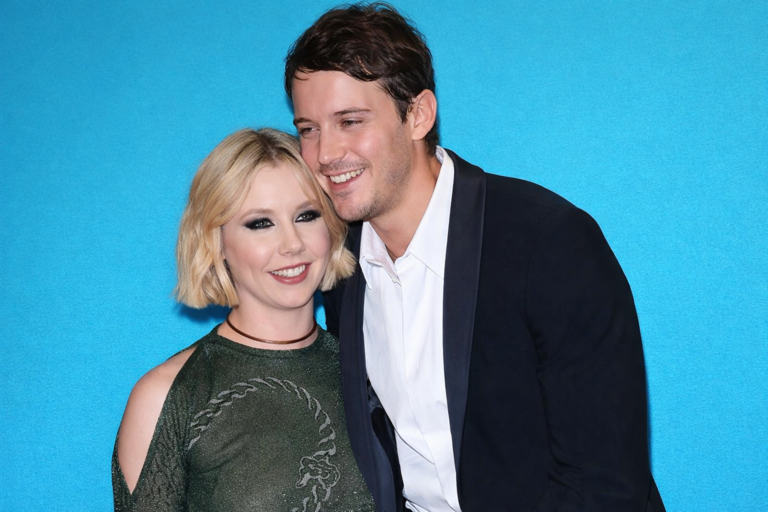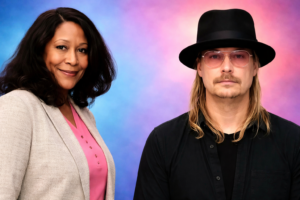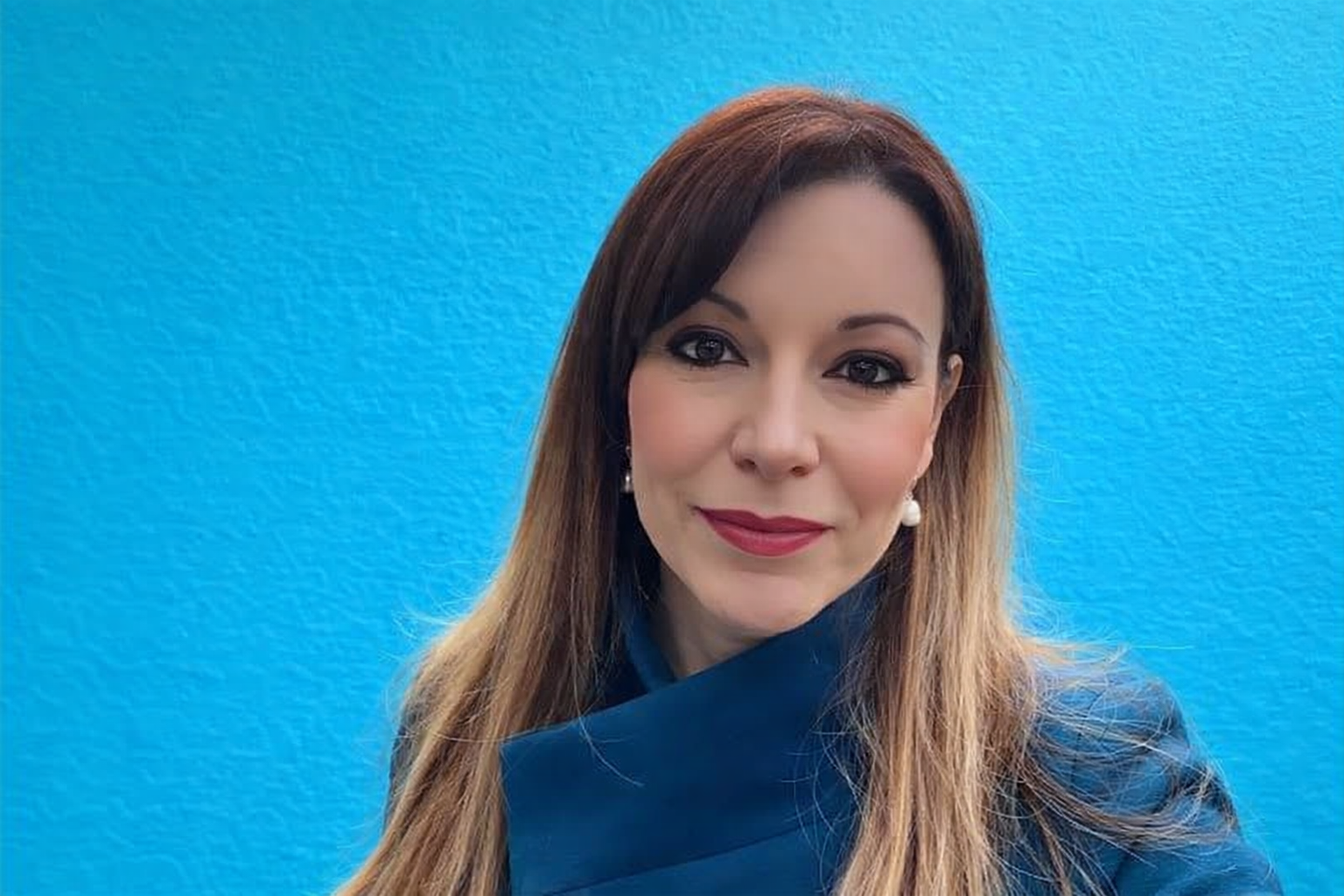
The search term “Elizabeth Rizzini disability” has steadily gained attention online, raising questions and curiosity among readers who want clear and reliable information. Elizabeth Rizzini is a well-known BBC weather presenter, admired for her professionalism, calm delivery, and scientific expertise. However, like many public figures, she has become the subject of speculation, particularly around her personal life and health. This article aims to explore the topic carefully, separating verified facts from assumptions, while maintaining respect, accuracy, and balance.
Rather than fueling rumours, this article focuses on what is genuinely known about Elizabeth Rizzini, why disability-related searches are associated with her name, and how misinformation can spread in the digital age. By looking at her career, public presence, relationships, and role in wider conversations around disability awareness, readers can gain a clearer and more trustworthy understanding of the subject.
Elizabeth Rizzini’s Background and Professional Journey
Elizabeth Rizzini is a British meteorologist and television presenter best known for her work with the BBC. She has built her career on a strong academic foundation, combining scientific knowledge with communication skills that allow her to explain weather patterns in a clear and accessible way. Her training and experience with meteorology have earned her credibility and respect within broadcast journalism.
Over the years, she has appeared on regional and national BBC platforms, including BBC London and BBC News. Her on-screen presence is defined by clarity, confidence, and an ability to make complex information understandable for everyday viewers. This professional consistency has helped her build a loyal audience and a solid reputation in British media.
Despite her visibility, Elizabeth Rizzini has generally kept her personal life private. She rarely discusses personal health matters or private challenges in public forums, choosing instead to let her work speak for itself. This privacy has contributed to speculation, but it also reflects a clear boundary between her professional role and personal life.
Understanding the Origin of Disability-Related Searches
The association between Elizabeth Rizzini and disability did not emerge from any confirmed personal disclosure or medical information. Instead, it appears to have developed through online speculation and search engine patterns. When public figures are connected to sensitive topics, even indirectly, search algorithms can amplify curiosity and create misleading associations.
In Rizzini’s case, much of the confusion stems from her relationship with another high-profile BBC journalist. Online searches often link names that frequently appear together in articles or interviews, even when the context is misunderstood. Over time, this can create the false impression that a person is directly connected to a particular issue, such as disability.
This phenomenon highlights how modern digital platforms can blur the line between fact and assumption. A single misunderstood connection can evolve into a widely searched phrase, even when no factual evidence supports it. Understanding this process is key to interpreting search trends responsibly.
Does Elizabeth Rizzini Have a Disability?
There is no verified evidence or public statement indicating that Elizabeth Rizzini has a disability. She has not spoken about living with a physical or cognitive disability, and no reputable media outlet has reported such information. Her professional activities and public appearances also do not suggest any undisclosed condition.
It is important to recognise that not all personal details of public figures are public knowledge, and speculation without confirmation can be harmful. In the absence of credible information, assumptions should not be treated as facts. Elizabeth Rizzini’s career continues uninterrupted, and her work reflects the same consistency and professionalism she has shown for years.
Separating confirmed information from online rumours is essential, especially when discussing sensitive topics like health and disability. Respectful reporting means acknowledging what is known, while also clearly stating what is not supported by evidence.
The Role of Frank Gardner in Public Perception
Much of the confusion surrounding Elizabeth Rizzini disability is linked to her relationship with Frank Gardner, the BBC’s Security Correspondent. Gardner is widely known for living with a disability following a serious injury sustained while reporting abroad. His story has been openly shared through documentaries, interviews, and public discussions.
Because Rizzini and Gardner have appeared together in media coverage, some audiences have incorrectly assumed that disability applies to both individuals. This is a common misunderstanding, where proximity or partnership leads to inaccurate conclusions. Being connected to someone with a disability does not imply sharing the same condition.
Their relationship has instead offered insight into how couples navigate life when one partner lives with a disability. This has added depth to public conversations around support, resilience, and understanding, but it does not change the factual reality regarding Rizzini’s own health.
Media Visibility and Disability Awareness
Although Elizabeth Rizzini does not personally live with a disability, her presence in disability-related conversations has had a positive impact. Through her public association with disability awareness topics, she has contributed to broader understanding and empathy, even if indirectly. Media visibility plays a powerful role in shaping public attitudes.
By participating in interviews or documentaries that touch on disability experiences, Rizzini helps humanise the subject for viewers. These moments encourage audiences to see disability not as a limitation, but as part of a diverse range of human experiences. Such representation supports inclusivity and challenges outdated stereotypes.
This indirect involvement demonstrates how public figures can influence social conversations without making themselves the focus. Supporting awareness, showing empathy, and encouraging open dialogue all contribute to a more informed and compassionate society.
How Online Misinformation Spreads
The rise of searches around Elizabeth Rizzini disability also reflects a wider issue: the rapid spread of online misinformation. Search engines, social media platforms, and content websites often prioritise trending keywords, sometimes at the expense of accuracy. As a result, speculation can quickly gain visibility.
When multiple articles or posts repeat the same assumption, it can appear credible even when it is not. Readers may encounter the same phrase across different platforms and assume there is truth behind it. This cycle reinforces misinformation and makes it harder for factual narratives to stand out.
Breaking this cycle requires responsible content creation and critical reading. Writers must prioritise verified information, while readers should seek trusted sources and avoid drawing conclusions based on headlines alone.
Privacy, Ethics, and Public Figures
Discussions about health and disability require sensitivity, especially when they involve individuals who have not chosen to make such information public. Elizabeth Rizzini’s case highlights the ethical responsibility of respecting privacy, even for those in the public eye. Curiosity should never override dignity.
Public figures deserve the same respect as anyone else when it comes to personal health matters. Speculation can be intrusive and, in some cases, damaging. Ethical reporting means focusing on confirmed information and avoiding unnecessary assumptions.
This approach benefits both audiences and individuals. Readers receive accurate, trustworthy content, while public figures are not unfairly defined by rumours or unfounded claims.
Disability Representation in Modern Media
The discussion around Elizabeth Rizzini also opens a wider conversation about disability representation in the media. Today, there is growing recognition of the need for authentic, respectful portrayals of people with disabilities. Stories are shifting away from stereotypes and toward real, nuanced experiences.
Media professionals, whether disabled or not, play a role in shaping these narratives. When disability is presented accurately and thoughtfully, it helps normalise inclusion and encourages social change. Viewers gain a more realistic understanding of challenges, achievements, and everyday life.
Even indirect involvement, such as supporting a partner or participating in awareness-focused storytelling, contributes to this cultural shift. It reinforces the idea that disability is not a defining flaw, but one aspect of human diversity.
Read More ; Nigel Sharrocks Biography: Career, Media Leadership, and Industry Influence
Conclusion and Final Thoughts
In conclusion, the topic of Elizabeth Rizzini disability is rooted more in online speculation than in factual reality. There is no evidence to suggest that Elizabeth Rizzini herself lives with a disability. The association largely arises from her relationship with a well-known journalist who does, combined with the way digital platforms connect names and topics.
Understanding this context allows readers to separate fact from misconception. Elizabeth Rizzini remains a respected BBC weather presenter whose career is defined by expertise, clarity, and professionalism. Her indirect role in disability awareness conversations reflects empathy and support, not personal health disclosure.
Ultimately, this discussion serves as a reminder of the importance of accuracy, privacy, and responsible information sharing. By focusing on verified facts and respectful storytelling, we can engage with public figures in a way that is both informed and humane.