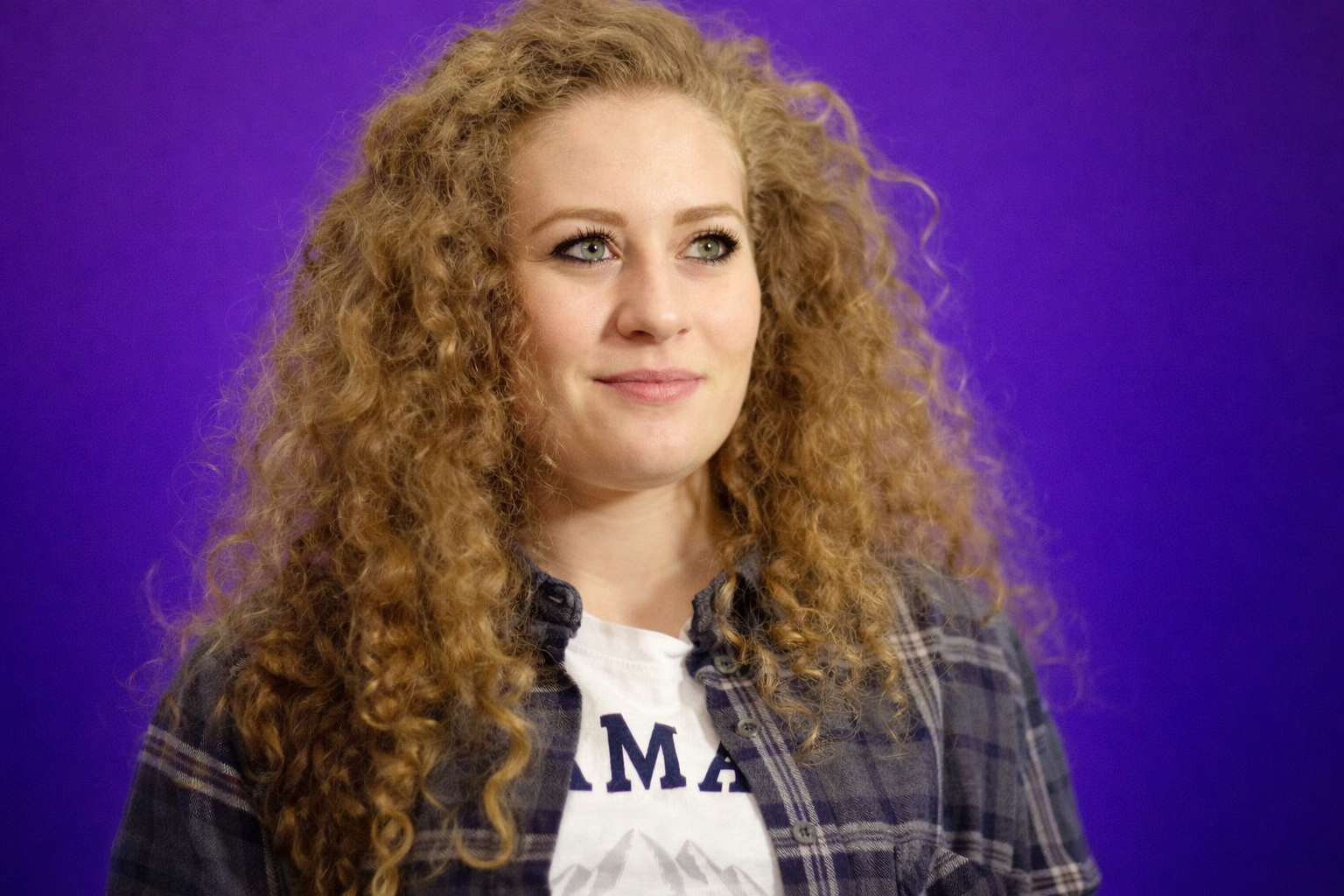
Ahed Tamimi is one of the most recognizable young faces to emerge from the Israeli-Palestinian conflict in the past decade. Born and raised in the small West Bank village of Nabi Saleh, she became known worldwide as a teenager after a video of her confronting Israeli soldiers went viral in 2017. Since then, her name has appeared repeatedly in international news, human rights discussions, political debates, and social media conversations about Palestinian resistance, youth activism, and life under military occupation.
Her story is not only about a single incident but about a childhood shaped by protest, arrests, and global attention. For many Palestinians and supporters around the world, Tamimi represents courage and defiance in the face of a powerful military presence. For others, she is a controversial figure whose actions and statements have sparked strong disagreement. Understanding Ahed Tamimi requires looking beyond headlines and viral clips to the environment she grew up in, the events that brought her into the spotlight, and the broader political and social context surrounding her life.
Early Childhood in Nabi Saleh
Ahed Tamimi was born on January 31, 2001, in Nabi Saleh, a small Palestinian village located northwest of Ramallah in the occupied West Bank. The village became known for its weekly protests that began in 2009 after local residents lost access to a natural spring following the expansion of a nearby Israeli settlement. These demonstrations were largely grassroots and involved families, children, and international activists who gathered regularly to oppose settlement growth and military presence.
Growing up in this environment meant that Ahed’s childhood was very different from that of most teenagers around the world. Instead of school activities and quiet village life, she witnessed frequent confrontations between residents and Israeli soldiers. House raids, arrests, and clashes were part of her everyday surroundings. Her father, Bassem Tamimi, was a well-known local activist who was arrested multiple times, which deeply influenced Ahed’s awareness of politics and resistance from an early age.
By the time she reached her early teens, Ahed was already participating in these demonstrations. Cameras often captured her standing in front of soldiers, shouting, gesturing, or trying to push them away from her home. These early appearances in media coverage began shaping her public image long before the incident that would later make her internationally famous.
The Culture of Protest in Her Family
The Tamimi family is widely recognized in Nabi Saleh and beyond for its consistent involvement in non-violent protest and community organizing. Ahed’s parents and relatives have long been active in mobilizing villagers and speaking to journalists, international observers, and human rights groups. This culture of activism was not something Ahed chose later in life; it was part of the atmosphere she grew up in.
Her mother, Nariman Tamimi, also played a visible role in documenting protests through photos and videos that were shared with media outlets. As a result, Ahed’s confrontations with soldiers were often filmed and circulated, contributing to her growing visibility. This media presence helped turn local protests into internationally discussed events and gradually turned Ahed into a familiar face to those following the Israeli-Palestinian conflict.
Living in such a politically charged household shaped Ahed’s worldview. She learned early about issues such as land rights, military occupation, checkpoints, and arrests. The idea of standing up to authority became normalized in her life, not as a symbolic act but as part of daily survival in a village under constant pressure.
The 2017 Incident That Went Viral
In December 2017, when Ahed was just 16 years old, an event occurred that would permanently change her life. After her 15-year-old cousin was shot in the head with a rubber-coated bullet during clashes with Israeli forces, tensions in Nabi Saleh escalated. Shortly afterward, Ahed was filmed confronting two Israeli soldiers outside her family home. In the video, she slapped, pushed, and shouted at them while they remained mostly restrained.
The footage spread rapidly across social media and international news outlets. Within hours, Ahed Tamimi became a global name. Supporters saw the clip as a powerful symbol of a young Palestinian girl standing up to armed soldiers. Critics viewed it as a provocative act designed to incite confrontation. Regardless of interpretation, the video drew unprecedented attention to her and to the village of Nabi Saleh.
Days later, Israeli forces arrested Ahed during a nighttime raid on her home. She was charged with several offenses related to the incident and eventually accepted a plea deal that resulted in an eight-month prison sentence. Her arrest and detention generated worldwide campaigns calling for her release and sparked renewed discussions about the treatment of Palestinian minors in Israeli military courts.
Life in Prison and Global Reactions
Ahed Tamimi’s imprisonment turned her from a viral sensation into a symbol of youth activism under occupation. Human rights organizations, activists, and public figures around the world called attention to her case. Demonstrations demanding her release were held in various countries, and her name became associated with broader debates about justice, resistance, and the rights of children in conflict zones.
While in prison, Tamimi’s image continued to circulate in media and advocacy campaigns. For many Palestinians, she represented the experiences of countless young people who had faced arrest and detention. Her youth and the visibility of her case made it especially powerful in drawing international sympathy and concern.
She was released in July 2018 after completing her sentence. Upon her return home, she was welcomed by large crowds and media attention. Her release did not end public interest in her life; instead, it marked the beginning of a new phase in which she transitioned from a local protester to an internationally recognized activist.
Becoming an International Symbol
After leaving prison, Ahed Tamimi traveled abroad, gave interviews, and spoke at events discussing Palestinian rights and her personal experiences. Her story resonated strongly with audiences who saw her as a brave young woman who had stood up against a powerful system. She quickly became a symbol of Palestinian resistance, especially among youth movements and human rights advocates.
She also co-authored a memoir titled They Called Me a Lioness, in which she described her upbringing, her arrest, and her views on life under occupation. The book further solidified her role as a voice representing the daily realities faced by many Palestinians in the West Bank. Through interviews and public appearances, she emphasized themes such as dignity, freedom, and the psychological impact of living in a militarized environment.
Her visibility helped keep attention on Nabi Saleh and on the broader situation in the occupied territories. For many supporters, Ahed’s journey showed how a single individual’s story could influence global conversations about justice and human rights.
Renewed Arrests and Ongoing Tensions
In November 2023, amid heightened tensions following the outbreak of war between Israel and Hamas, Ahed Tamimi was arrested again by Israeli forces during a raid in the West Bank. Authorities accused her of incitement based on a social media post allegedly linked to her. Her family denied that she had written the post, claiming that she did not personally manage the account.
Her detention once again drew media attention, reminding the world that she remained a significant figure in the eyes of Israeli authorities and Palestinian supporters alike. The arrest occurred during a period of widespread raids and arrests across the West Bank, reflecting the broader instability of the region at the time.
Later that month, Tamimi was released as part of a prisoner exchange linked to a temporary truce. This episode reinforced her continued relevance in the political landscape and demonstrated how her name still carried symbolic weight years after the original viral incident.
Support, Criticism, and Polarized Views
Ahed Tamimi’s public image is deeply polarizing. To many Palestinians and international supporters, she is a courageous activist who speaks out against injustice and occupation. Her youth, determination, and willingness to confront soldiers have made her an inspiring figure for those who view her actions as legitimate resistance.
At the same time, critics argue that some of her statements and actions contribute to hostility and deepen divisions. Certain remarks attributed to her have been widely criticized as inflammatory, leading to debates about the line between political resistance and rhetoric that can be seen as offensive or harmful. These controversies have complicated her image in international discussions.
This polarization reflects the broader divisions surrounding the Israeli-Palestinian conflict itself. Tamimi’s life and words are often interpreted through political lenses, making her both a celebrated figure and a controversial one depending on the perspective of the observer.
The Role of Media in Shaping Her Image
Media coverage played a crucial role in transforming Ahed Tamimi from a village teenager into a global figure. Photos and videos of her confrontations with soldiers were widely circulated long before 2017, but the viral slap incident amplified this visibility dramatically. Social media platforms, news agencies, and advocacy groups all contributed to shaping how the world saw her.
The constant presence of cameras in Nabi Saleh meant that her actions were documented and shared almost instantly. This visibility allowed her story to reach audiences far beyond the West Bank, but it also meant that every gesture and statement was scrutinized and debated internationally.
As a result, Ahed’s image is not only shaped by her actions but also by how those actions are framed and interpreted by media outlets with different political perspectives. This dynamic has made her a powerful example of how modern activism and digital media intersect in conflict zones.
Ahed Tamimi’s Continuing Influence
Today, Ahed Tamimi remains a significant name in discussions about Palestinian activism and youth resistance. She continues to speak about her experiences and the realities of life in the West Bank. Even when she is not in the headlines, her story is frequently referenced in articles, documentaries, and debates about human rights and occupation.
Her journey has inspired many young Palestinians and activists around the world who see her as proof that individual voices can gain global attention. At the same time, her story is often used by critics as an example of how deeply entrenched and emotional the conflict has become.
Whether admired or criticized, Tamimi’s influence is undeniable. She represents a generation that has grown up entirely within the framework of occupation and conflict, and her life illustrates how that reality shapes identity, choices, and activism.
Read More ; Latest FeedBuzzard: Features, Content, and How It Delivers Fresh Trending Updates
Legacy and Broader Meaning
Ahed Tamimi’s story goes beyond a single incident or a single person. It reflects the lived experiences of many Palestinians in villages and towns across the West Bank. Her life highlights issues such as military presence, youth detention, settlement expansion, and the daily tensions that define life under occupation.
Her rise to prominence also shows how powerful individual narratives can be in shaping international understanding of complex political situations. Through viral media, public speaking, and personal storytelling, she has influenced how many people around the world perceive the Israeli-Palestinian conflict.
At the same time, the debates surrounding her remind us that symbols of resistance can also become symbols of controversy. Her legacy will likely continue to be discussed as long as the broader conflict remains unresolved.
In conclusion, Ahed Tamimi’s journey from a small village in Nabi Saleh to international recognition is a powerful example of how personal experience and political reality intersect. Her life story has become intertwined with discussions of Palestinian resistance, human rights, and youth activism. Whether viewed as a hero, a provocateur, or a complex mixture of both, she remains one of the most talked-about young figures connected to the Israeli-Palestinian conflict, and her story continues to shape conversations around the world.