Bianca Censori has become one of the most searched celebrity names in recent years, especially in connection with bold fashion moments and viral headlines. Search queries like “Bianca Censori naked” often spike after public appearances where she wears sheer, body-hugging, or barely-there outfits that blur the line between clothing and nudity. While sensational phrases dominate search engines, the real story is more layered. It involves fashion as performance art, media amplification, celebrity culture, and the shifting boundaries of public decency in the digital age.
As the wife of Ye, formerly known as Kanye West, Censori entered global fame under an intense spotlight. However, her identity extends beyond her marriage. Trained as an architect and associated with Yeezy’s creative direction, she has cultivated an image that merges design, minimalism, and provocation. The public fascination surrounding her revealing outfits reflects broader conversations about artistic expression, female autonomy, internet virality, and how modern audiences consume celebrity imagery. Understanding the context behind these searches requires looking beyond click-driven headlines and examining the cultural forces at play.
Who Is Bianca Censori?
Bianca Censori is an Australian architectural designer who gained international recognition after her relationship and marriage to Ye became public. Before global headlines defined her public persona, she worked in architecture and later became affiliated with Yeezy, contributing to design concepts and creative direction. Her background in architecture often influences how commentators interpret her fashion choices, describing them as structural, minimal, and intentionally disruptive.
Since stepping into the global spotlight, Censori has maintained a relatively private voice while allowing her visual presence to speak loudly. Unlike many celebrities who rely heavily on interviews and social media captions, her communication appears rooted in imagery. Paparazzi photos, red carpet appearances, and street style moments form the core of her public narrative. This approach fuels curiosity and speculation, as audiences attempt to decode meaning through aesthetics rather than statements.
Her transformation into a viral figure happened rapidly. Once her marriage to Ye was confirmed, media outlets began scrutinizing every outfit, public appearance, and artistic collaboration. The shift from professional designer to cultural lightning rod demonstrates how quickly association with high-profile figures can reshape personal branding in the entertainment world.
Why “Bianca Censori Naked” Trends Online
Search trends reveal that spikes in “Bianca Censori naked” typically coincide with public events where she appears in sheer or skin-revealing attire. These looks often create the illusion of nudity rather than actual full exposure, but the visual impact is enough to dominate headlines. In the age of viral screenshots and rapid content sharing, a single red carpet moment can generate millions of searches within hours.
The phrase itself reflects how internet culture prioritizes sensational wording. Users searching this term may be curious about a specific outfit, a controversial red carpet look, or candid paparazzi photos. However, much of the traffic is driven by shock value amplified by tabloids and social media algorithms. Platforms reward attention-grabbing headlines, which further encourages dramatic framing.
At the same time, these searches reveal how modern audiences blur the lines between fashion and nudity. Sheer fabrics, body stockings, and skin-toned garments are frequently labeled as “naked looks,” even when they are technically styled fashion pieces. This linguistic exaggeration contributes to ongoing debates about modesty, marketing, and media responsibility.
The Grammy Red Carpet Moment
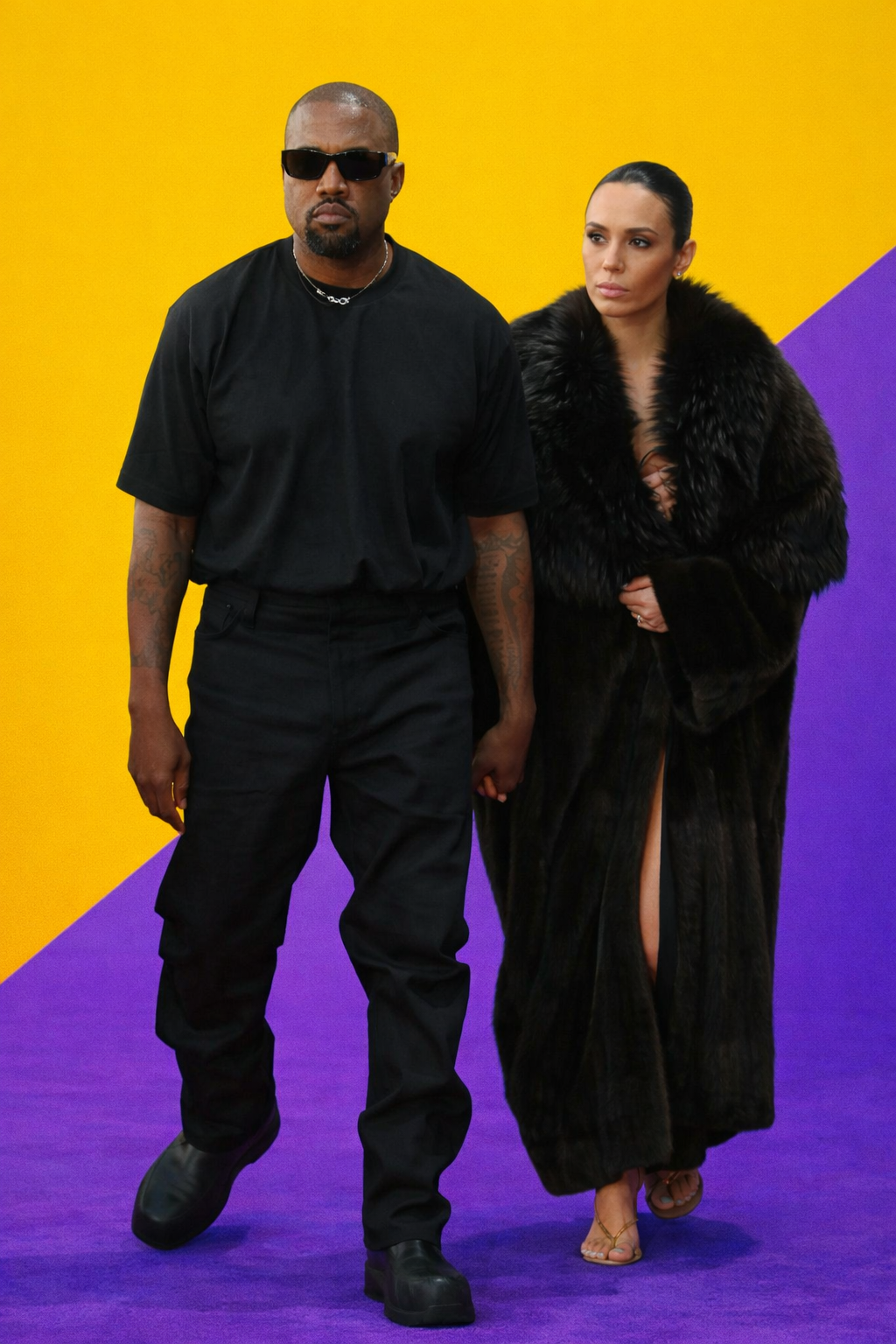
One of the most discussed appearances associated with Bianca Censori occurred at the Grammy Awards, where she wore a long dark coat before revealing a nearly transparent dress underneath. Images from the event quickly circulated online, prompting waves of commentary across entertainment blogs, fashion magazines, and social media platforms. Within hours, her name became a top trending topic.
Supporters described the outfit as avant-garde and fearless, arguing that fashion should challenge expectations rather than conform to tradition. Critics, however, questioned whether the look crossed boundaries of public decency. The event became less about music and more about the symbolism of her clothing, illustrating how celebrity style can overshadow award ceremonies themselves.
The red carpet appearance also highlighted the power of visual storytelling. Without issuing extensive statements, Censori generated a global conversation. The moment underscored how contemporary celebrity influence often operates through imagery rather than words, especially when paired with an already controversial public figure like Ye.
Fashion as Performance Art
Many fashion analysts interpret Bianca Censori’s wardrobe as a form of performance art rather than conventional styling. In avant-garde design traditions, clothing is not merely fabric but a statement about identity, vulnerability, and power. Her preference for sheer materials, body silhouettes, and minimal layering suggests intentional experimentation with visibility and form.
Performance art historically challenges comfort zones. By presenting herself in outfits that appear almost nude, Censori invites viewers to confront their own reactions. Are they uncomfortable because of the garment itself, or because society attaches moral judgments to exposed skin? This tension lies at the heart of her public persona.
Her aesthetic also aligns with minimalist architectural principles, where structure and space matter more than decoration. Observers often note that her outfits strip away excess, focusing attention on shape and proportion. Whether interpreted as empowerment or provocation, the artistic framing adds depth to conversations about her image.
Media Amplification and Social Platforms
Modern celebrity culture operates within a constant feedback loop powered by social media. Once images of Censori surface online, they are reposted, debated, and dissected across platforms like X, Instagram, and TikTok. Algorithms prioritize high-engagement content, meaning controversial images spread rapidly.
This amplification effect explains why certain outfits become global talking points. A single paparazzi photograph can evolve into thousands of commentary videos and opinion pieces. In many cases, the viral reaction outpaces the original context, creating narratives that may exaggerate or misinterpret intent.
Additionally, online discussions often focus on thumbnails and cropped images that remove nuance. Headlines emphasizing “naked” appearances attract clicks, even when the outfit includes transparent materials rather than full nudity. This cycle demonstrates how digital culture shapes perception through repetition and framing.
Public Reaction and Cultural Debate
Public response to Bianca Censori’s revealing outfits remains divided. Some view her as a symbol of bodily autonomy and confidence. They argue that fashion freedom includes the right to experiment with transparency, unconventional cuts, and bold silhouettes. From this perspective, criticism reflects lingering societal discomfort with female self-expression.
Others interpret her style as excessive or deliberately provocative. Critics question whether shock value overshadows artistry, suggesting that repeated exposure diminishes impact. These debates often extend beyond Censori herself, touching on broader issues such as objectification, media ethics, and celebrity responsibility.
The conversation also intersects with gender politics. Female celebrities who adopt daring fashion choices often face harsher scrutiny than their male counterparts. This double standard fuels further debate about fairness and autonomy in public life.
Legal and Ethical Considerations
When celebrities wear extremely revealing outfits in public spaces, questions sometimes arise about local decency laws. In many jurisdictions, clothing that simulates nudity may still comply with regulations if it technically covers required areas. However, public perception does not always align with legal definitions.
Ethically, the widespread sharing of suggestive images raises additional concerns. Some commentators argue that reposting or sensationalizing such photos contributes to exploitation, even if the subject willingly chose the outfit. Others counter that public figures understand the nature of media exposure.
These discussions illustrate how fashion, law, and morality intersect in complex ways. The debate is rarely about fabric alone; it reflects evolving standards around privacy, expression, and digital responsibility.
The Influence of Ye and Creative Collaboration
Bianca Censori’s relationship with Ye plays a significant role in how her style is interpreted. Known for pushing creative boundaries in music and fashion, Ye has long embraced controversy as part of his brand. Observers frequently speculate about his influence on her wardrobe and public image.
However, attributing her choices solely to her husband risks undermining her agency. As a designer with architectural training, Censori likely participates actively in shaping her aesthetic narrative. The partnership may function more as collaboration than control.
The dynamic between the two fuels ongoing media fascination. Every coordinated appearance sparks fresh analysis, blending celebrity gossip with artistic critique. Whether viewed as muse, collaborator, or independent visionary, Censori occupies a distinct space within contemporary pop culture.
The Broader Impact on Celebrity Fashion
The recurring search term “Bianca Censori naked” reflects more than curiosity about one individual. It signals a cultural shift in how audiences interpret clothing, modesty, and spectacle. In an era where attention is currency, bold visuals command global conversation.
Her style has influenced emerging designers and social media influencers who experiment with transparency and body-focused silhouettes. While not universally embraced, the aesthetic has undeniably entered mainstream discussion. Fashion houses and stylists increasingly reference minimal coverage trends as part of evolving red carpet norms.
Ultimately, Bianca Censori’s public image challenges viewers to reconsider what constitutes art, empowerment, or provocation. Whether admired or criticized, her presence in search trends and media headlines underscores the enduring power of visual storytelling in shaping celebrity identity.
Read More ; Josephine Burge Biography: Life, Marriage to Oliver Reed & Where She Is Today
Final Thoughts
The phrase “Bianca Censori naked” may dominate search engines, but behind it lies a broader narrative about fashion, performance, media amplification, and cultural debate. Her revealing outfits spark conversation precisely because they exist at the intersection of art and controversy. In a world driven by viral imagery, she has mastered the ability to generate dialogue without extensive explanation.
Rather than reducing her identity to sensational keywords, it is more meaningful to view her as a participant in ongoing conversations about autonomy, design, and digital culture. Love her style or question it, Bianca Censori remains a defining example of how modern celebrity operates in the age of instant visibility