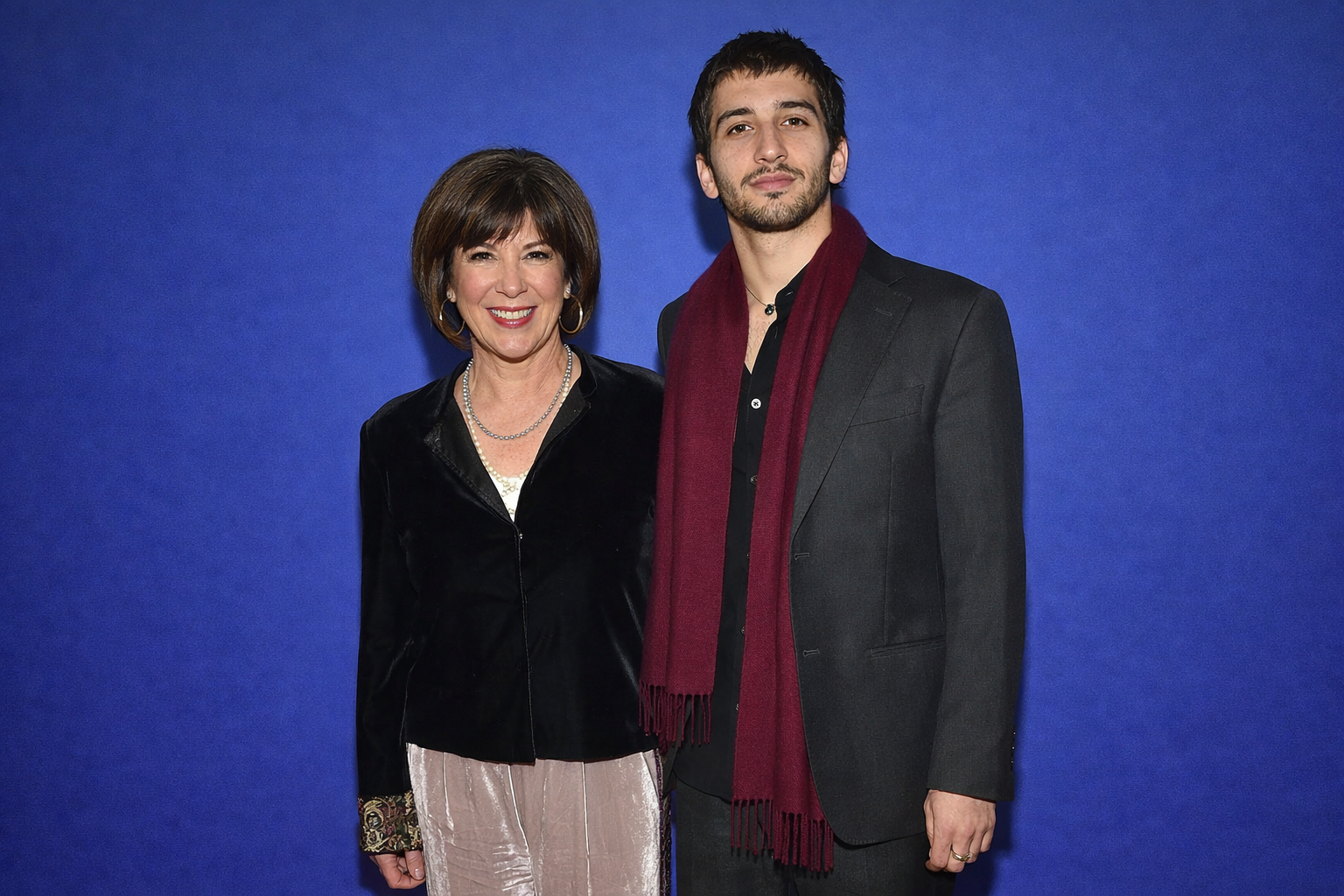
Darius John Rubin is a name that is gradually gaining attention, not because of loud publicity or celebrity culture, but because of the quiet, meaningful work he is doing in media and filmmaking. As the son of renowned journalist Christiane Amanpour and former U.S. diplomat James Rubin, Darius grew up in a world where global affairs, storytelling, and public service were everyday realities. Yet, instead of following a predictable path shaped by his parents’ achievements, he has chosen to build his own identity through creative storytelling, thoughtful media work, and a deep interest in human narratives.
His journey reflects a blend of intellectual depth, artistic curiosity, and cultural awareness. From his education in prestigious institutions to his early career roles in media and communications, and now his involvement in filmmaking, Darius John Rubin represents a new generation of storytellers who are shaped by global perspectives but driven by personal vision. Understanding his background, influences, and career path provides insight into how legacy, education, and creativity can combine to form a distinctive professional journey.
Early Life and International Upbringing
Darius John Rubin was born on March 27, 2000, into a family whose professional lives were deeply connected to global events and international dialogue. His mother, Christiane Amanpour, is one of the most respected international journalists in the world, known for her fearless reporting and commitment to truth. His father, James Rubin, built a career in diplomacy and public affairs, serving in key roles within the U.S. government. Growing up in such an environment meant that Darius was exposed early to discussions about politics, media ethics, and world cultures.
His childhood was spent between major global cities such as London and New York, reflecting his parents’ international careers. This multicultural upbringing allowed him to observe different societies, languages, and perspectives from an early age. Rather than being confined to a single cultural identity, he developed a broad worldview shaped by travel, diversity, and global awareness.
Even after his parents separated in 2018, they remained actively involved in his life, maintaining a supportive co-parenting relationship. This stable environment ensured that Darius continued to benefit from both parents’ influence while growing into his own independent identity.
Education and Academic Foundations
Education played a crucial role in shaping Darius John Rubin’s intellectual and creative direction. He attended Tonbridge School in Kent, England, a respected institution known for its emphasis on academic excellence and critical thinking. The disciplined academic environment there helped him develop analytical skills while also encouraging curiosity beyond textbooks.
Following his schooling in the UK, Darius pursued higher education at Columbia University in New York City. At Columbia, he studied political history, a subject that naturally aligned with the environment in which he was raised. His academic focus allowed him to explore global events, historical narratives, and the power of storytelling in shaping public understanding.
Graduating in 2023, Darius left Columbia not only with a degree but with a refined perspective on how history, politics, and narrative intersect. This foundation would later influence both his media work and his interest in filmmaking, where understanding human stories and contexts is essential.
Early Professional Experience in Media and Communications
After completing his education, Darius John Rubin stepped into the professional world through roles that bridged media, communications, and culture. One of his early positions included working as an Editorial Assistant at Liberties, a respected journal of culture and politics. In this role, he was involved in editing, proofreading, and supporting the publication’s editorial process, sharpening his writing and critical reading abilities.
He also worked with the Council on Foreign Relations as a Media and Communications Officer. This role placed him at the center of conversations about global affairs, where he helped pitch stories, organize interviews, and contribute to public engagement efforts. It was a natural extension of both his academic interests and his upbringing in a household focused on international issues.
These early roles were important in building his understanding of how information is curated, presented, and communicated to audiences. They also laid the groundwork for his transition into more creative forms of storytelling.
Transition into Filmmaking and Visual Storytelling
While Darius had experience in editorial and communications roles, his growing passion for filmmaking marked a turning point in his career. He began exploring cinema as a powerful medium for storytelling, one that combines visual artistry with emotional and intellectual depth. This interest led him to work on film projects that reflect thoughtful themes and human experiences.
His involvement in films such as The Fool, In Service, and Killing Castro demonstrates his dedication to exploring narrative through a cinematic lens. These projects highlight his interest in character-driven stories and emotionally rich themes rather than commercial spectacle. Through film, Darius found a way to merge his intellectual curiosity with artistic expression.
Filmmaking allowed him to step beyond traditional media roles and craft stories that resonate on a personal and emotional level. It also provided him with a platform to express ideas in a way that words alone sometimes cannot.
Humanitarian and Documentary Interests
Beyond narrative filmmaking, Darius John Rubin has shown a strong interest in humanitarian storytelling. He has been involved in documenting refugee missions and social justice initiatives through photography and videography. These projects reflect a commitment to using media as a tool for awareness and empathy.
His work with organizations focused on refugees and justice reform demonstrates that his storytelling is not limited to entertainment. Instead, it often centers on real human struggles, resilience, and dignity. This approach aligns closely with the journalistic values he grew up observing in his mother’s work.
By focusing on real people and real issues, Darius continues to explore how visual storytelling can contribute to meaningful conversations about society and humanity.
Personal Identity and Preference for Privacy
Despite being the child of two high-profile public figures, Darius John Rubin has maintained a relatively private personal life. He does not actively seek attention on social media or in public forums, preferring to let his work speak for itself. This choice sets him apart in an age where visibility often defines relevance.
His approach to privacy suggests a desire to focus on growth, learning, and creativity without the distractions of public scrutiny. It also reflects a thoughtful understanding of the difference between public work and personal life.
This reserved presence allows him to develop his career at his own pace, free from the expectations that often accompany well-known family names.
Influence of Christiane Amanpour and James Rubin
It is impossible to discuss Darius John Rubin without acknowledging the influence of his parents. Christiane Amanpour’s dedication to honest reporting and global storytelling has clearly shaped his appreciation for meaningful narratives. Watching her career unfold likely gave him an early understanding of the power of media.
Similarly, James Rubin’s background in diplomacy and communication provided insight into how information, policy, and public perception are interconnected. These influences did not push Darius into identical careers but instead gave him a rich foundation from which to build his own path.
Rather than imitating his parents, he appears to be translating their values into a different medium, using film and visual storytelling as his chosen form of expression.
Career Growth and Future Potential
Darius John Rubin’s recent role as an Assistant to the Producer at Warner Bros. Discovery marks another step forward in his evolving media career. Working within a major entertainment and media company exposes him to large-scale production environments and industry practices that can shape his future projects.
With his background in political history, editorial work, humanitarian documentation, and filmmaking, he possesses a rare combination of skills. This blend positions him well for future work that could span documentary filmmaking, narrative cinema, or media production with a social focus.
As his experience grows, it is likely that his work will continue to explore stories that are thoughtful, human-centered, and globally aware. His trajectory suggests a storyteller who values depth over visibility and impact over recognition.
Read More ; Elizabeth Fraley Kinder Ready Court Case Explained: Lawsuit, Dismissal, and Key Facts
Conclusion and Final Thoughts
Darius John Rubin represents a new kind of media professional and filmmaker—one shaped by global exposure, strong intellectual foundations, and a desire to tell meaningful stories. While his family background naturally draws interest, his career choices show a clear intention to create his own identity through thoughtful work and creative exploration.
From prestigious education to editorial roles, humanitarian storytelling, and filmmaking, his journey reflects patience, curiosity, and purpose. He is building a career that blends art, media, and social awareness in a way that feels both personal and impactful.
As he continues to grow in the world of film and media, Darius John Rubin stands as an example of how legacy can inspire without defining, and how storytelling remains one of the most powerful ways to understand the world and the people in it.