Table of Contents
ToggleEarly Life and Roots in Identity
Cicely Johnston was born in the United States and is of African-American descent, with her early life setting the foundation for her personal values of humility, hard work, and cultural pride. Although she has chosen to keep details about her childhood, family background, and education private, what is public is enough to see that her formative years occurred in a cultural environment that prized community, resilience, and strong family ties. Growing up in mid-20th century America, a period marked by both progress and challenges for Black Americans, likely shaped her worldview in ways that later manifested in her composure and choices.
Before stepping into public life, Cicely developed a keen sense of confidence and poise, traits that would prove valuable as she transitioned into her early professional pursuits. Even without detailed public records about her schooling or upbringing, the enduring theme that emerges from available information is her grounded nature — a trait she carried into all aspects of her life. Her early years laid the groundwork for a life that prioritized substance over spectacle.
Early Career: From Stewardess to Model
Long before her pathway crossed with Hollywood, Cicely Johnston worked as an airline stewardess — a role that taught her not just professionalism and poise, but also patience, grace under pressure, and the art of interpersonal connection. Working as a flight attendant offered her the opportunity to navigate demanding situations with calm authority while connecting with people from diverse backgrounds. This early work experience helped build the confidence and worldliness that would later serve her well in the modeling industry.
Her transition into modeling occurred at a time when opportunities for African-American women were limited in fashion and media. During the late 1960s and early 1970s, the fashion world was still emerging from monolithic standards of beauty, and Cicely’s presence in modeling contributed to early efforts at greater diversity and representation. With her natural elegance and composed presence, she stood out in an industry that was only beginning to embrace broader definitions of beauty. Although records of specific campaigns and modeling agencies are sparse, the available accounts emphasize her role in expanding visibility for Black women in fashion.
A Brief Encounter With Hollywood
In 1974, Cicely Johnston made a brief but notable appearance in the film Caged Heat, directed by Jonathan Demme. While her role was minor and her time in acting was limited, this experience connected her with Hollywood at a moment when her future husband’s career was also on the rise. Appearing in a film by a director who would go on to earn critical acclaim gave Cicely a small but meaningful link to the entertainment industry, beyond her work in fashion.
Despite the allure of cinema and the opportunities that might have accompanied visibility in film, Cicely chose not to pursue a sustained acting career. Instead, she shifted her focus toward personal fulfillment, family life, and partnerships that aligned with her values. This decision underscored her belief that success and meaning are defined by one’s relationships and choices, not by celebrity status. Her brief Hollywood moment adds richness to her story, but it was never its defining chapter.
Love and Partnership: Marriage to Demond Wilson
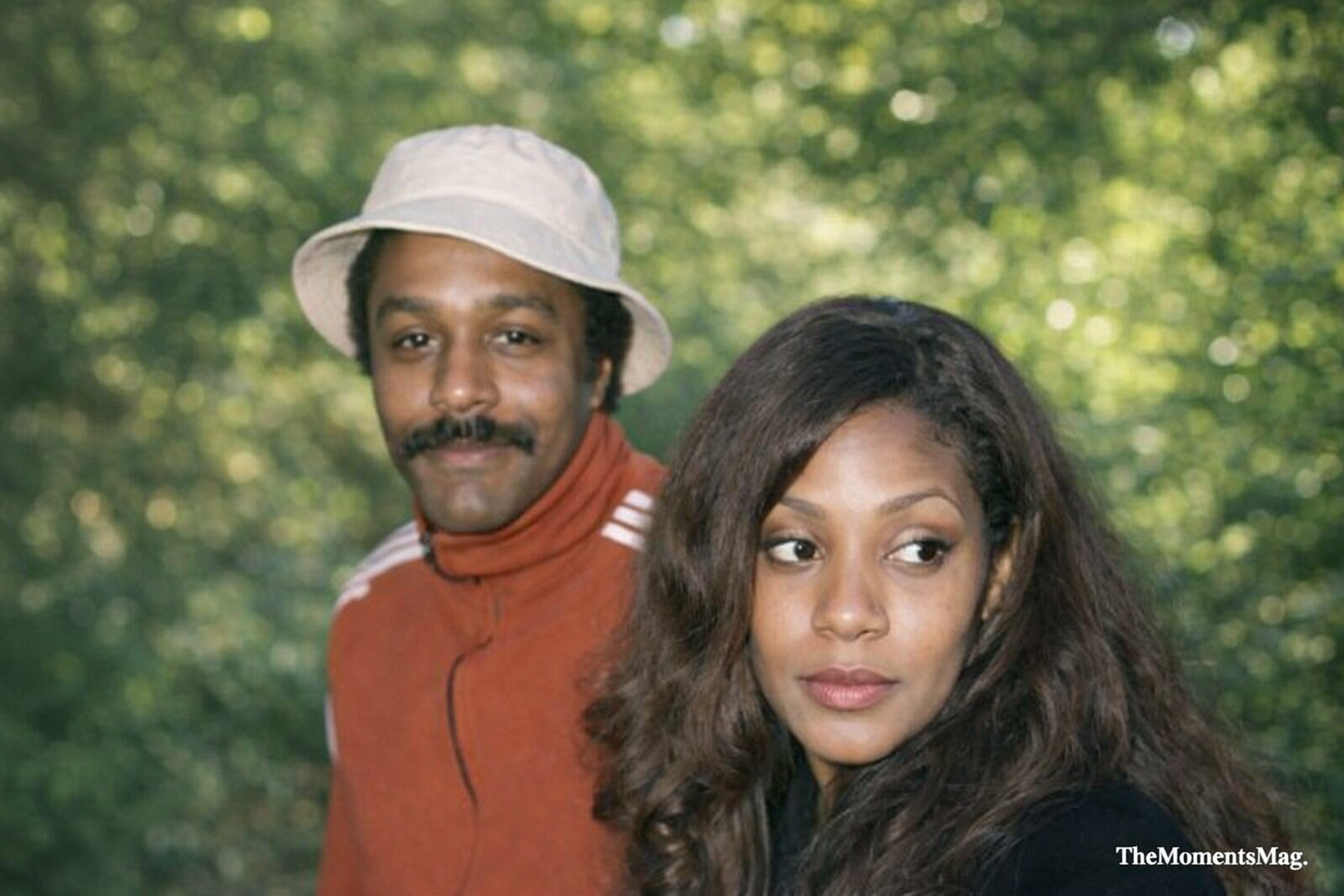
The story of Cicely Johnston’s life gained public interest most strongly through her enduring partnership with actor Demond Wilson, best known for his role as Lamont Sanford on the classic television sitcom Sanford and Son. The couple married on May 3, 1974, in a private ceremony with close family and friends, choosing to keep their special day intimate and personal. Their union has now spanned more than five decades — a remarkable milestone amid an entertainment landscape where lasting marriages are rare.
From the outset, their relationship was rooted in mutual respect, deep affection, and shared values. Cicely became a steady source of emotional support for Wilson during the height of his acting career, and later as he transitioned into ministry work and writing. Their marriage weathered the pressures of fame, career shifts, and personal evolution, and stands as a testament to the power of committed companionship. Cicely’s influence in this partnership can be felt not in public fanfare but through the stability and unity she helped cultivate within their family.
Family Life at the Center
Central to Cicely Johnston’s story is her role as a mother. She and Demond Wilson raised six children together: Christopher, Demond Jr., Louise, Sarah, Nicole, and Melissa. Balancing the demands of a large family with the public and personal pressures of an evolving career landscape required dedication, patience, and deep commitment — qualities that Cicely embodied fully. Her focus was always on creating a loving, stable home environment, regardless of the external spotlight focused on her husband.
Family life for Cicely was rooted in values of respect, humility, and spiritual growth. She emphasized the importance of nurturing not just their children’s potential but their character, helping shape a household environment that valued personal integrity over fame. Many of their children have chosen to lead their own lives, often away from the public eye, reflecting the same preference for privacy and grounded living that Cicely embraced throughout her life.
A Life Guided by Faith and Personal Values
Faith has played a significant role in shaping Cicely Johnston’s life and choices. After Demond Wilson chose to leave Hollywood and become an ordained minister in the mid-1980s, their shared Christian faith became a cornerstone of family life. Their home wasn’t merely a residence but a center for spiritual growth, reflection, and community support. Cicely participated alongside her husband in religious activities and service, helping strengthen not just their marriage but the moral foundation of their family.
Choosing a life guided by faith also provided Cycely with perspective on success and purpose. Instead of seeking public attention or professional acclaim, she embraced a path defined by spiritual fulfillment, compassion, and serving others. This perspective shaped her approach to life’s challenges and joys alike, reminding those who know her story that fulfillment can be found through inner peace, not external validation.
The Choice of Privacy and Personal Fulfillment
One of the most striking aspects of Cicely Johnston’s life is her intentional choice to live privately. Unlike many spouses of public figures who step into visibility or media engagement, Cicely has consistently avoided social media, interviews, and public projects. Her approach to life is characterized by a belief that true fulfillment comes from within one’s relationships and values rather than from public recognition or approval.
This decision has not diminished public interest but rather amplified the sense of respect people feel toward her story. Cicely’s low-profile life stands as a refreshing contrast to the celebrity culture that dominates modern media — a reminder that authenticity, family, and personal integrity often matter more than the spotlight. By choosing privacy, she preserved her family’s peace and fostered an environment where personal growth and connection could flourish.
Read More ; Dixie Brubaker Biography: Life, Family, Divorce, and Where She Is Now in 2025
Conclusion: A Legacy of Quiet Strength
Cicely Johnston’s life is powerful not because it was lived under flashbulbs and headlines, but because she lived with intention, resilience, and quiet dignity. From her early work as a stewardess and model to her longstanding marriage, motherhood, and spiritual partnership, her journey reflects the enduring impact of personal choice and service. Her story defies the idea that prominence equates to value; instead, it celebrates a life rooted in love, family, and inner strength.
Today, Cicely’s legacy remains in the unity of her long-lasting marriage, the character of her children, and the serene life she has built with her husband — far from excessive publicity but rich with meaning and purpose. Her story encourages readers to find beauty and fulfillment through their own commitments, reminding us all that sometimes the most remarkable lives are lived not before cameras but within the heart of family and community.